The Ultimate Guide to Pay-Per-Click (PPC) Advertising in 2025
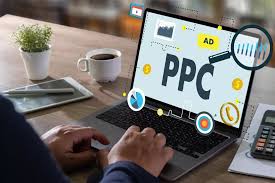
In the fast-paced world of digital marketing, Pay-Per-Click (PPC) advertising remains one of the most effective tools for businesses aiming to drive traffic, increase conversions, and boost revenue. Whether you’re a small business owner or a digital marketer, understanding PPC is essential in today’s competitive landscape. This guide will walk you through the basics of PPC, how it works, key platforms, benefits, and how to set up a successful campaign in 2025. What is PPC? PPC (Pay-Per-Click) is an online advertising model where advertisers pay a fee each time one of their ads is clicked. Instead of earning traffic organically, PPC allows businesses to buy visits to their websites. The most common form of PPC is search engine advertising, where advertisers bid for ad placement in a search engine’s sponsored links when someone searches a keyword related to their business. How Does PPC Work? PPC works through a bidding system. Advertisers choose keywords relevant to their business and compete in an auction. When a user searches for a term that matches the keywords, the search engine runs an auction to determine which ads appear and in what order. Factors that influence ad placement include: Bid amount (how much you’re willing to pay per click) Quality Score (a metric used by Google based on ad relevance, CTR, and landing page experience) Ad extensions (extra information like phone numbers or links) Platforms like Google Ads and Microsoft Advertising dominate the PPC landscape, offering advanced targeting tools and analytics. Benefits of PPC Advertising 1. Immediate Results Unlike SEO, which can take months to show results, PPC can drive traffic almost instantly. 2. Highly Targeted You can target by location, device, time, language, demographics, and even interests. 3. Measurable ROI With detailed metrics like impressions, clicks, conversions, and cost-per-conversion, you can easily track performance. 4. Budget Control Set daily or campaign-specific budgets to avoid overspending. 5. Brand Visibility Even if users don’t click, your ad contributes to brand awareness. Key PPC Platforms 1. Google Ads The largest PPC platform. Includes Search, Display, Shopping, YouTube, and more. 2. Microsoft Advertising Formerly Bing Ads, it offers access to Yahoo and AOL networks, often with lower CPCs than Google. 3. Facebook Ads While not traditional PPC, it uses a cost-per-click model and offers extensive demographic and interest-based targeting. 4. LinkedIn Ads Best for B2B marketing, with job title, industry, and company size targeting. 5. Amazon Ads A must for eCommerce brands. Ads appear in product searches and listings. How to Set Up a Successful PPC Campaign 1. Define Your Goals Is it lead generation, sales, app downloads, or brand awareness? Your goal will shape every part of your campaign. 2. Conduct Keyword Research Use tools like Google Keyword Planner, SEMrush, or Ahrefs to find high-intent keywords relevant to your business. 3. Set Your Budget and Bids Decide how much you’re willing to spend daily and how much you’ll bid per click. 4. Create Compelling Ad Copy Write headlines and descriptions that are clear, benefit-driven, and include a call-to-action. 5. Design Landing Pages Ensure the page where users land is relevant, fast-loading, and optimized for conversions. 6. Set Up Conversion Tracking Use Google Analytics, Google Tag Manager, or platform-specific tools to track user actions. 7. Launch and Monitor Once live, monitor performance daily. Key metrics include CTR (click-through rate), CPC (cost per click), conversion rate, and ROAS (return on ad spend). Common PPC Mistakes to Avoid Not targeting the right keywords Use negative keywords to avoid irrelevant clicks. Poor landing page experience A great ad is wasted if it leads to a confusing or slow page. Ignoring mobile users Ensure your ads and landing pages are mobile-optimized. Setting and forgetting PPC requires ongoing optimization. Chasing irrelevant metrics Focus on conversions and ROI, not just clicks. PPC Trends in 2025 AI-Powered Campaigns Platforms are leaning more on machine learning for bid optimization and targeting. Voice Search Advertising Voice-based queries are becoming more relevant in search ads. Privacy and Cookieless Targeting Advertisers are adapting to privacy regulations with first-party data strategies. Automation & Smart Bidding Manual bidding is declining in favor of AI-driven models. Visual PPC (Shopping & YouTube Ads) Rich media formats are outperforming plain text ads in many industries. Final Thoughts PPC advertising remains a cornerstone of digital marketing in 2025. It offers speed, precision, and measurable results that few other channels can match. However, running a successful PPC campaign isn’t just about throwing money at ads. It requires careful planning, ongoing optimization, and staying updated with the latest trends and platform changes. Whether you’re just starting out or looking to refine your strategy, PPC can be a powerful engine for growth—when done right.